
 Promotions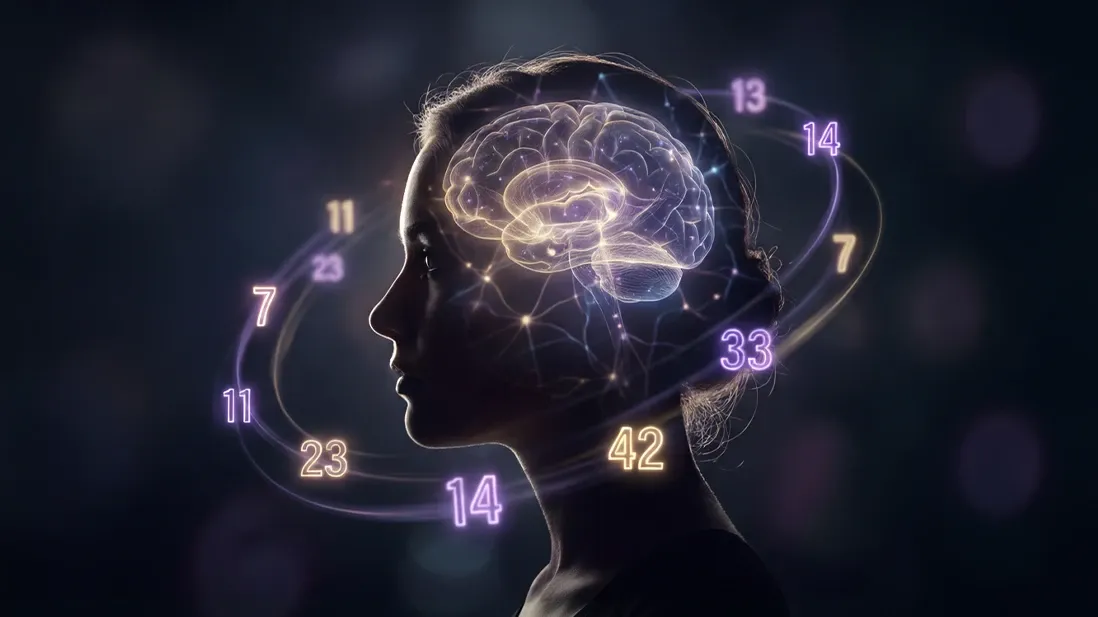
Most people don’t come to the lottery as pure statisticians.
Ok no, let’s backtrack on that for a second.
A vast majority of people who play lotto online, if not all of them, don’t come in as pure statisticians.
They come as humans.
And humans, whether we admit it or not, are very good at finding meaning in randomness.
That’s where lucky numbers come in.
When you step into the world of online lottery games, you quickly notice how personal the experience becomes.
It’s not just about picking numbers but also about choosing your numbers, be it birthdays, anniversaries, or any other repeating digits you feel “good” about for no real logical reason.
The belief in lucky numbers isn’t really about probability.
It’s about comfort.
Familiarity.
A small sense of control in something that is, by design, unpredictable.
But is there a hidden psychology behind the practice of believing in lucky numbers, or is it just that, a belief?
Test Your Luck With Free Lotto Tickets & Spins Today!
Feeling lucky today?
How about you test your luck out with up to 100 free lotto tickets and 100 free spins on this month’s Deluxe Casino game?
All you need to do is deposit anywhere from $25 to $100 and you’re set, a 25% Lotto & Spins Reload bonus will be on your way!
Why Players Believe in Lucky Numbers In The Online Lottery
There’s something reassuring about having “your numbers.”
When you play lotto online, that habit becomes even easier to maintain because the system remembers for you.
You don’t have to rethink it every time.
Instead, you can stick with a set, build consistency, and feel like there’s a personal thread running through your tickets.
Of course, the draw itself doesn’t treat any number differently.
But that’s never stopped anybody from still chasing after their lucky numbers.
Why?
Because belief doesn’t need validation from probability.
It comes from repetition and experience.
If a number has been with you for a while, it starts to feel like it has a story, a story often strong enough to keep it in play.
The Psychology Behind How People Play Lotto Online
Most lottery behavior isn’t actually about numbers at all.
It’s about decision-making under uncertainty.
When people play lotto online, they’re constantly making small choices in a space where outcomes can’t be controlled.
That naturally leads the brain to look for patterns, routines, or signals that feel meaningful.
Sometimes that shows up as sticking with lucky numbers.
Other times it’s switching numbers after a loss.
In other scenarios, it’s following gut feeling over logic.
None of it is unusual.
It’s actually how people handle randomness in most areas of life.
The lottery just makes it more visible.
Common Biases That Affect Lottery Decisions
This is where things get interesting, because most players don’t realize these patterns are happening in the background.
One of the most common is the idea that certain numbers are “due.”
If a number hasn’t appeared in a while, it starts to feel overdue for a win.
In reality, each draw is independent, but the mind prefers balance over randomness.
Another is pattern spotting.
When you look at enough results in lotto online, it’s easy to see sequences or clusters that feel intentional.
Most of the time, they’re just coincidence, but they stand out because our brains are wired to notice structure.
There’s also selective memory.
While wins feel connected to strategy, losses feel random.
That imbalance shapes how players interpret their own decisions more than any actual system ever could.
Can Mindset Impact Your Lotto Online Strategy?
Mindset doesn’t change the odds, but it does change the experience.
When playing online lotto, how you approach it often matters more for your enjoyment than your results.
Some players stick with lucky numbers because they feel right.
Others switch constantly to keep things fresh.
Neither approach improves probability, but both shape how the game feels over time.
While a calm mindset tends to lead to more consistent play, a reactive mindset can lead to more switching and second-guessing.
Again, none of this affects the draw, but it absolutely affects how players feel about their choices.
In a game built on chance, that emotional layer is often the part people remember most.