From Secretariat to Frankel: The Racehorses That Changed Betting History


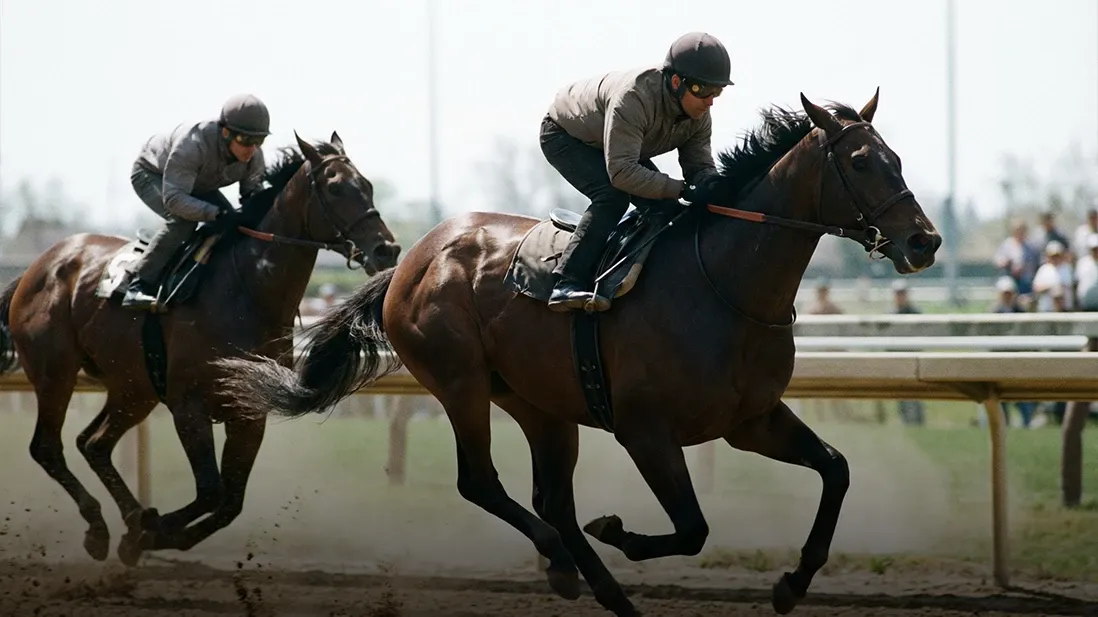
Horse race betting has been part of the thrill of horse racing for centuries.
From the pounding of hooves on the track to the roar of the crowd, it’s the perfect mix of athleticism, strategy, and the excitement of chance, all in a span of less than five minutes.
Like in any other sport, horse racing has its legends, horses who didn’t just win but changed the way the sport is seen and the way people bet.
Speaking Of Legends, We’re Rewarding Our Betting Legends With A 7th Free Deposit!
When betting on horse races, you can get caught up in the game in a matter of seconds, with bets stacking up instantly which is why at BetAnything.eu for every six deposits to bet you make, we’ll comp you the 7th, upwards of $5,000.
Remembering The Racehorses Who’ve Changed Betting History
Throughout history, horses like Secretariat, Phar Lap, Frankel, Seabiscuit, and American Pharoah left a lasting mark on both racing and horse race betting culture.
Their impact goes beyond the numbers on the board. They show how dominance and performance can shift odds and transform racing into a shared cultural experience.
The races they ran continue to echo through the industry, reminding everyone that in horse racing, legends don’t just cross finish lines, they annihilate them.
Secretariat: Horse Racing’s GOAT
If there is one name that continues to echo through horse racing history, it is Secretariat.
Long before online platforms and global betting was a thing, before real-time odds updates, there was a chestnut colt, built like a tower who redefined what dominance looked like on a racetrack.
Secretariat’s 1973 Triple Crown campaign remains one of the most extraordinary stretches in sport.
He won the Kentucky Derby in record time.
He captured the Preakness in a performance still debated for its sheer brilliance.
And then came the Belmont Stakes, the race that transformed legend into permanence.
Secretariat didn’t just win. He finished 31 lengths ahead of the field, setting a track record that still stands.
For the world of horse race betting, Secretariat created a new kind of dynamic. He was often sent off as a heavy favorite, which meant bettors had to think beyond simple win wagers.
To bet a horse like Secretariat wasn’t just about predicting victory. It was about deciding how dominant that victory would be.
Margin bets, exotic wagers, and combination tickets became part of the conversation.
When a horse feels inevitable, the betting market adapts.
Even decades later, Secretariat remains the measuring stick.
Every new champion is compared to him. Every Triple Crown contender is evaluated against his times. In betting circles, his name still represents the rare scenario where brilliance feels almost untouchable.
Phar Lap: Horse Racing’s First And Most Important Underdog
Born in New Zealand in 1926 Phar Lap wasn’t considered remarkable in any way from early on. He was a big, awkward horse, physically imposing, but not polished or elegant like some of the other horses he raced against.
What made his story resonate so strongly, especially with bettors, was the context of the era.
The 1930s were the Great Depression, and many Australians were struggling financially. Phar Lap’s rise from an overlooked, “unpromising” horse to a superstar champion mirrored the underdog story people desperately wanted to believe in.
His victories became symbols of hope and perseverance. Basically put, if this unlikely horse could triumph, maybe everyday people could, too.
Phar Lap went on to win 37 of 51 races, including prestigious events like the Melbourne Cup in 1930.
Beyond the track, he became a media sensation. Newspapers followed his every move, and his popularity drove huge public interest in horse race betting.
People didn’t just bet on Phar Lap because he was fast, they bet on him because they believed in his story and wanted to be part of the excitement surrounding a national hero.
Seabiscuit: The People’s Champion
Just like Phar Lap, Seabiscuit’s story is one of the most powerful underdog tales in sports history.
Born in 1933, he came from respected racing bloodlines, yet he didn’t look like a future champion.
He was smaller than most Thoroughbreds, had an awkward running style, and developed a reputation for being stubborn.
Early in his career, he raced often but without much success. Trainers and owners overlooked him.
At one point, he was even sold for a modest price, hardly the path expected for a future legend.
With careful training and a new approach, Seabiscuit began to transform. Wins started stacking up. Then came bigger victories against stronger competition and the timing for his rise could not have been more significant.
America was on the grip of the Great Depression. Jobs were scarce, families were struggling and hope often felt distant. Seabiscuit’s journey from overlooked and underestimated to dominant and defiant mirrored the struggles of everyday people.
When horse race odds fans placed wagers on him, it wasn’t only about form or odds. It felt personal.
Betting on Seabiscuit meant backing resilience and believing that setbacks did not define the future.
His defining moment came in 1938 against War Admiral, the reigning Triple Crown champion, in what became known as the “Match of the Century.” The race captured national attention. With millions following the race by radio the battle between War Admiral, polished and regal and Seabiscuit gritty and battle-tested became a landmark moment in horse racing history.